Pressure Cooking Safety Checklist for Confident Cooks
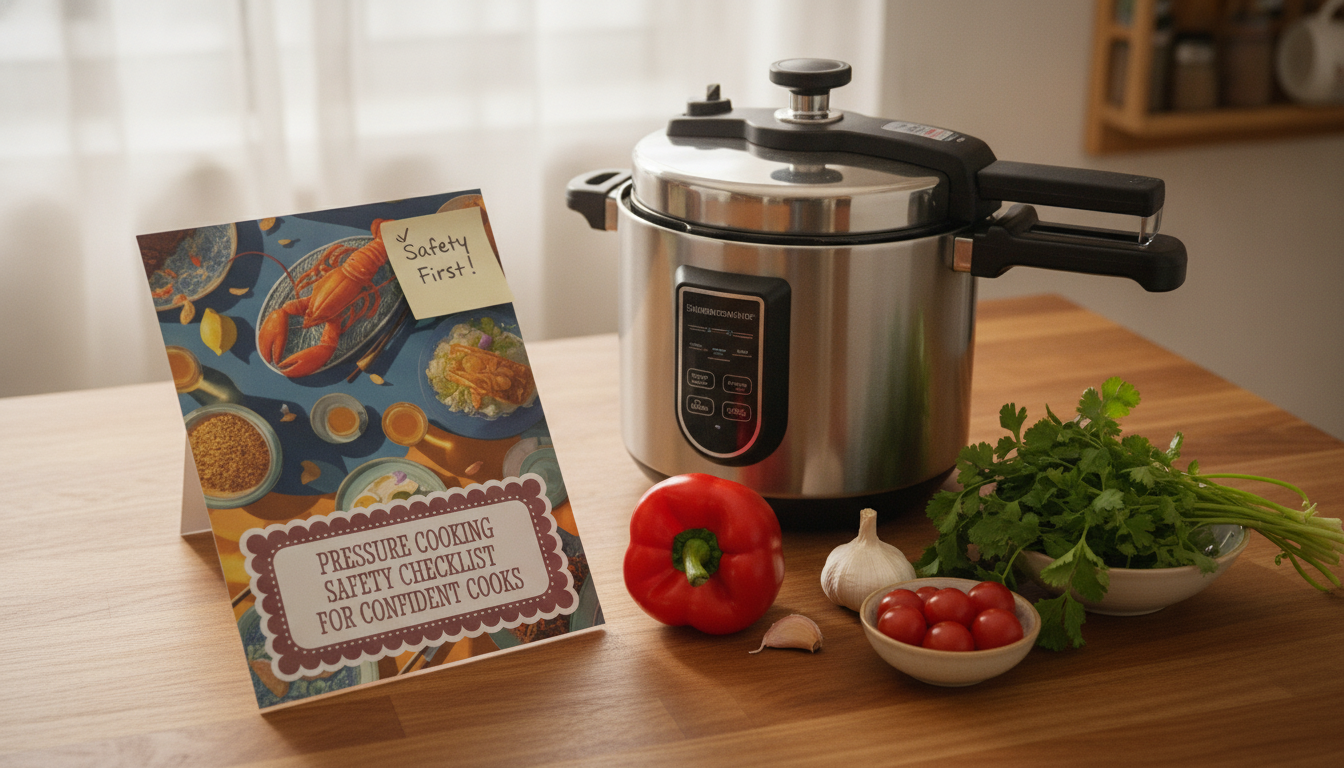
Pressure cookers make fast, flavorful meals, but they also demand a consistent routine: correct sealing, enough liquid, proper venting, and safe pressure release. A simple checklist turns “Did I remember everything?” into a repeatable process—especially on busy weeknights, when learning a new recipe, or when someone else in the household is cooking. Use the steps below as a practical, kitchen-ready guide and keep a printable copy near the cooker for quick reference.
What “safe pressure cooking” really means
- Building pressure only when the lid is correctly locked, the sealing surfaces are clean, and the vent is unobstructed.
- Preventing overheating by using the minimum required liquid and avoiding overfilling.
- Managing foam, starch, and fat so valves don’t clog and contents don’t sputter during release.
- Releasing pressure deliberately—never forcing the lid, and choosing the right release method for the food.
- Maintaining the cooker so gaskets, valves, and lids work as designed over time.
For broader, everyday kitchen safety basics (burn prevention, safe handling habits, and general best practices), review the USDA Food Safety and Inspection Service kitchen safety guidance. And for peace of mind about specific models, it’s smart to periodically check U.S. Consumer Product Safety Commission recalls.
Before you start: a 2-minute setup check
- Read the recipe once and confirm cook time, pressure level (if applicable), and release method (natural, quick, or timed).
- Inspect the sealing ring/gasket: seated evenly, no cracks, no strong lingering odors that could transfer to food.
- Check the steam release valve/vent path: moves freely (if designed to move) and is clear of dried starch or debris.
- Confirm the anti-block shield (if included) is installed properly and clean.
- Verify the inner pot is correctly seated and dry on the outside (prevents false heating signals and scorching).
- Add the minimum liquid required for your model and method; avoid thickening with flour/cornstarch until after cooking.
- Follow fill limits: never exceed the max line; for beans, grains, oats, pasta, and foamy foods stay well below max (often about halfway).
Pre-Cook Safety Snapshot
| Check |
What to look for |
Why it matters |
| Sealing ring |
Evenly seated, flexible, no cracks |
Prevents leaks and pressure loss |
| Vent/valve path |
Clear of residue, not stuck |
Reduces risk of clogging and sputtering |
| Liquid level |
Meets minimum requirement for the cooker |
Prevents overheating and scorching |
| Fill level |
Below max; lower for foamy foods |
Helps avoid valve blockage and messy releases |
Locking, venting, and building pressure without surprises
- Confirm lid alignment and full lock before starting; never start a pressure program if the lid doesn’t feel correctly engaged.
- Set the steam release control to the correct position for pressure cooking (sealed/closed as labeled).
- Keep hands and face away from the steam release area when pressure begins to build; steam may vent briefly as the cooker stabilizes.
- If steam leaks continuously from the rim, stop and depressurize safely, then re-check gasket seating and lid alignment.
A helpful mental cue: if you wouldn’t put your hand near a kettle spout, don’t hover over a pressure valve. Give the cooker space to do its job, especially during the transition from heating to pressurized cooking.
Choosing the right pressure release method
- Natural release: best for soups, stews, beans, grains, and large roasts; reduces foaming and helps foods finish gently.
- Quick release: useful for vegetables and delicate foods that overcook easily; release in short bursts if the cooker sputters.
- Timed natural release: let pressure drop for a set time (often 5–15 minutes) then finish with quick release to balance texture and safety.
- Never force the lid open; wait until pressure indicators show fully depressurized and the lid unlocks easily.
- When in doubt (especially with starchy or foamy foods), start with natural release to reduce clogging risk.
If quick release is the right choice but the vent spits starchy liquid, pause. A short rest lets bubbling calm down so you can continue safely and cleanly.
High-risk foods and common situations that need extra care
Troubleshooting: what to do if something seems off
If you’re ever uncertain about the physics behind pressure and why vents matter, Penn State Extension has a solid background explainer on pressure equipment principles and safety: Pressure canners and food safety.
After cooking: safe handling, cleanup, and storage
Printable checklist: keep the routine consistent
If you want a kitchen-ready version you can tape inside a cabinet door, see Pressure Cooking Safety Checklist for Confident Cooks (Printable Digital Download). For a broader, whole-kitchen planning companion, pair it with Must-Have Kitchen Gadgets Gifts for Every Home Chef (Digital Checklist).
FAQ
How much liquid is needed to pressure cook safely?
Most pressure cookers need enough thin liquid to generate steam and maintain pressure; a common rule of thumb is at least 1 cup, but the true minimum depends on your model and size. Check your manual for the minimum liquid requirement, and avoid thickening with flour or cornstarch until after pressure cooking to reduce scorching and sealing issues.
When should natural release be used instead of quick release?
Natural release is best for foamy or starchy foods (beans, grains, soups) and for larger cuts of meat because it reduces sputtering and the chance of foam reaching the valve. If you want a middle ground, use a timed natural release for 5–15 minutes, then finish with quick release.
What should be checked if steam is leaking from the lid?
Stop the program and release pressure safely, then check that the gasket is seated evenly and not cracked or stretched, the lid is aligned and fully locked, and the sealing surfaces are clean. Also confirm the valve is set to the correct sealing position before restarting.
Recommended for you












Leave a comment