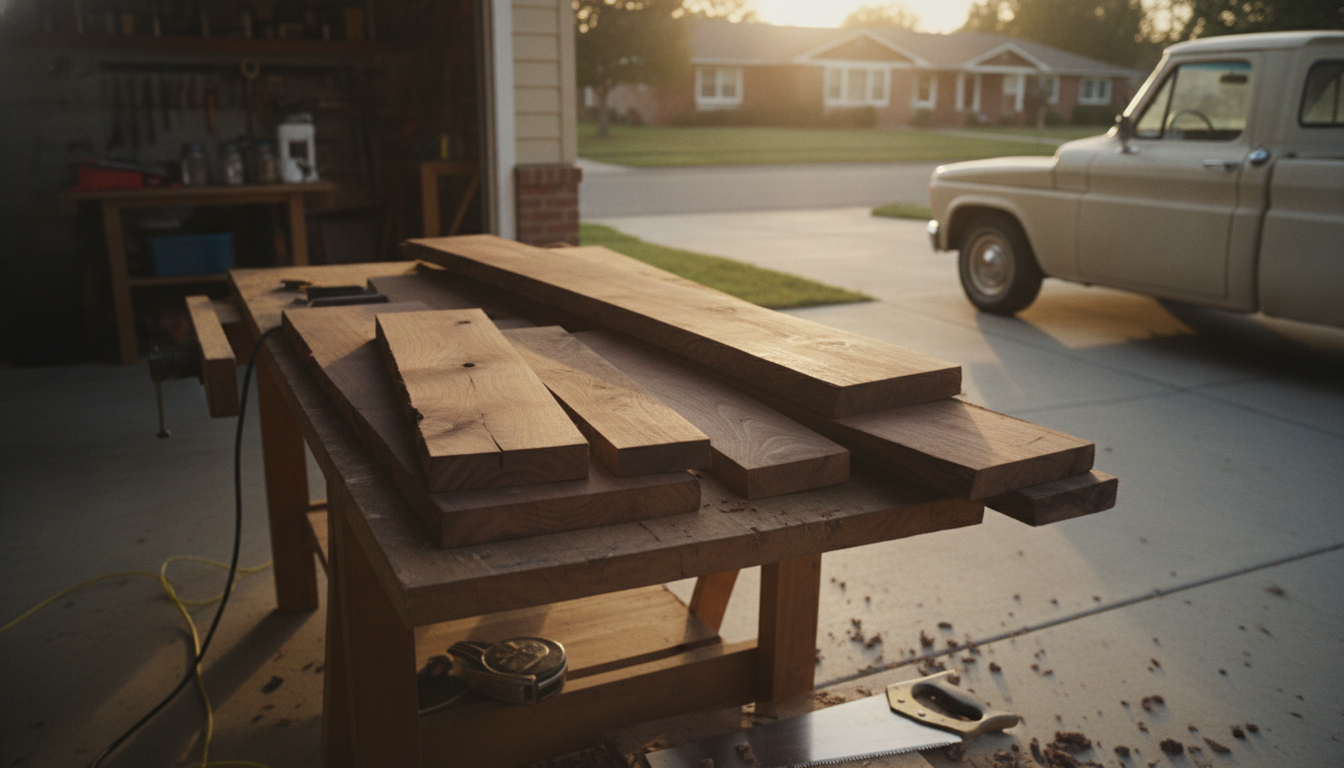
Yes—walnut wood is often worth good money because it’s a hardwood with strong furniture demand, attractive grain, and reliable performance in cabinetry and woodworking. Compared with many common domestic woods, walnut typically commands higher prices, especially when it’s wide, clear, and properly dried.
Walnut’s value starts with its look: rich brown heartwood, occasional figuring, and a grain pattern that finishes beautifully. It also machines well, holds detail for joinery, and stays stable when dried correctly. Those traits keep it popular for higher-end furniture, kitchen cabinets, cutting boards, and custom millwork—markets that can support premium pricing.
The biggest price drivers are grade and size. Wide boards with fewer knots and defects are more valuable than narrow, knotty stock. Thickness matters too—thicker, flat, stable boards can fetch more for table tops and specialty projects. Moisture content is another major factor: properly kiln-dried walnut is generally worth more than green lumber because it’s ready for indoor use.
Where the walnut came from can influence price as well. Certain logs produce more uniform color or more desirable figure. Also, local availability affects cost: in areas where walnut is scarce, the same board may sell for more.
Processed walnut lumber is typically worth more per unit than logs because milling and drying add time and expense. However, a high-quality walnut log—straight, large diameter, minimal defects—can be valuable on its own, especially if it’s suitable for veneer or premium boards. If the log has metal, rot, or significant branching, its value can drop quickly.
Keep boards clean, flat, and protected from moisture swings. If selling, measure accurately (thickness, width, length) and note whether it’s air-dried or kiln-dried. Clear photos showing grain and any defects help buyers assess value faster.
For a deeper breakdown of pricing factors and what affects resale value, visit the main guide on walnut wood value.
“Walnut” often refers to black walnut in the U.S., which is darker and commonly used for furniture and cabinets. Other walnuts can be lighter in color and may differ in hardness and typical market price depending on species and region.











Leave a comment